Dental X-Rays

See What’s Beneath the Surface

Your pet’s teeth may look healthy on the surface, but serious problems often hide beneath the gumline. At Elevate Pet Dentistry, Dr. Timothy Jordan and his team use advanced digital dental x-rays to uncover infections, bone loss, and disease that visual exams miss. These x-rays help us diagnose oral health issues early and keep your pet pain-free. Since two-thirds of each tooth sits below the gumline, comprehensive dental x-rays catch problems before they affect your pet’s health and well-being.
Understanding Dental X-Rays

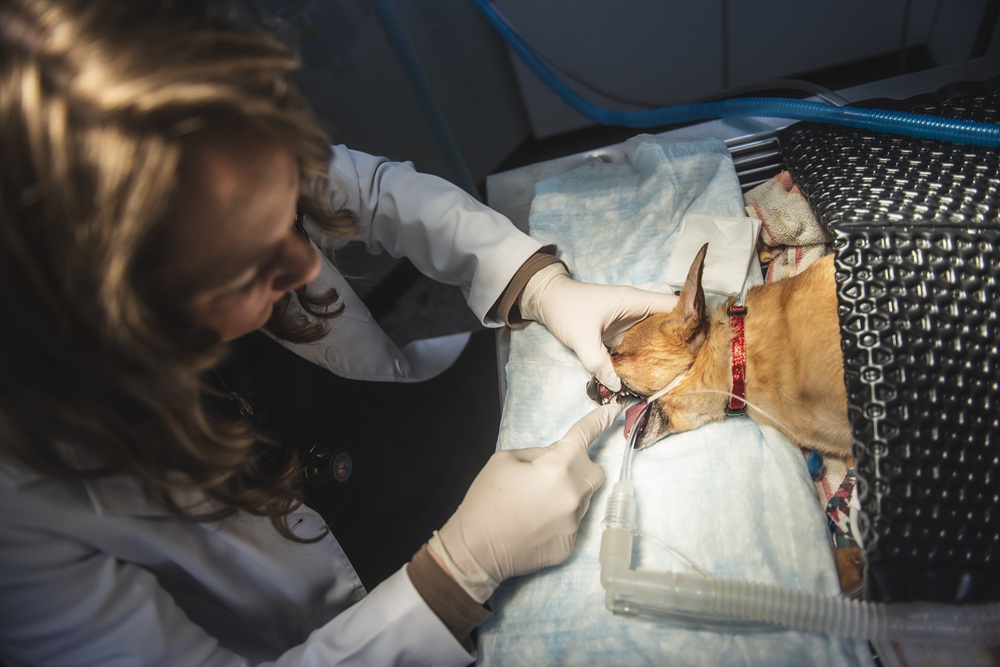
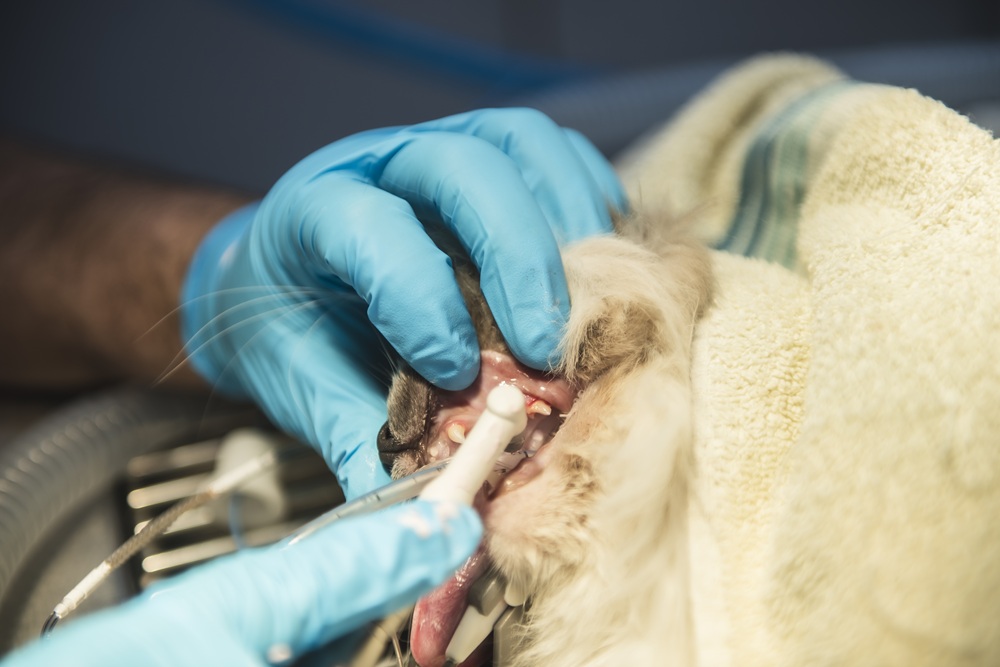
Dental x-rays (also called dental radiographs) help veterinarians see inside your pet’s mouth where regular exams can’t reach. While a visual exam only shows what’s above the gumline, x-rays reveal what’s happening beneath, including tooth roots, jawbone, and developing problems.

X-rays work by passing safe, low-level radiation through your pet’s mouth to create images on a digital sensor. Different tissues like teeth, bone, and gums absorb radiation differently, creating contrast that shows hidden details. These images reveal tooth root infections, abscesses, fractures, bone loss from periodontal disease, retained baby teeth, impacted adult teeth, and masses or cysts in the jawbone. Since two-thirds of each tooth sits below the gumline where disease starts, x-rays provide essential information for accurate diagnosis and treatment planning.

Benefits of Pet Dental X-rays

Catching Problems Before Your Pet Suffers

Dental x-rays spot oral disease before your pet shows signs of discomfort. Many pets instinctively hide dental pain, continuing to eat and act normally even when suffering from infections or abscesses. By finding tooth root infections, bone loss, and other hidden issues during routine cleanings, we can treat problems before they get worse. Catching problems early saves your pet from pain and stops small issues from turning into bigger, more complicated problems.

Getting the Right Diagnosis the First Time

A visual exam only tells us part of the story. X-rays show us what’s really causing your pet’s dental problems. Whether we’re checking a broken tooth, measuring bone loss from gum disease, or examining a growth in the mouth, x-rays give us the clarity we need to make the right call. This means we can recommend the right treatment based on what’s actually wrong, not just what we think might be happening.

Building a Health Record Over Time

During each annual cleaning, full-mouth x-rays create a complete record of your pet’s oral health. Since your pet is already under anesthesia for their dental procedure, it’s the perfect time to get a complete set of images safely. Yearly x-rays let us compare changes, spot developing problems, and adjust care plans when needed. This consistent monitoring helps us catch issues like leftover tooth roots, early bone cysts, or dead teeth before they cause serious damage.

Saving Money with Preventive Care

Finding dental disease early cuts down on expensive treatments later. A small area of bone loss caught early can often be treated conservatively, while advanced disease may need multiple tooth extractions or complex surgery. X-rays help us step in at the right time with the right treatment, which is easier on your pet and easier on your wallet. Prevention always costs less than fixing advanced disease.

Knowing Exactly What's Happening

Seeing what’s going on in your pet’s mouth removes the guesswork from their care. X-rays provide visual proof of problems and show healthy structures, giving you a clear picture of your pet’s oral health. When we recommend treatment based on what the x-rays show, you’ll see exactly why it’s needed and how it’ll help your pet.

How We Use Dental X-Rays for Your Pet’s Treatment

Why Choose Us

At Elevate Pet Dentistry, we use the latest digital x-ray technology and have real expertise in veterinary dental care. Dr. Timothy Jordan has over 40 years of experience reading dental x-rays and spotting subtle problems that less experienced providers might miss. We include full-mouth x-rays with every cleaning because we know most oral disease hides beneath the gumline, where only x-rays reveal the full picture.

Our digital x-rays use less radiation than older methods and give us detailed images right away, so we can spot problems faster. We’ll show you these images and walk you through what we find, so you understand exactly what’s going on in your pet’s mouth. You’ll see exactly why we’re recommending a procedure and how it’ll help your pet feel better. As a privately owned practice focused on affordable, preventive care, we’re dedicated to helping every pet get the dental attention they deserve without breaking the bank.

Reveal What’s Really Happening in Your Pet’s Mouth!

Your pet can’t tell you when a tooth root is infected or when bone loss is starting below the gumline. Dr. Timothy Jordan and our team of veterinarians rely on digital X-rays to reveal what’s happening beneath the surface before it becomes painful or damages your pet’s organs. Waiting for visible symptoms means your dog or cat has already been suffering. Call or text Elevate Pet Dentistry at 252-432-2000 to schedule a dental evaluation that uncovers problems early and keeps your pet comfortable.

Request Appointment

FAQs

What can be found on pet dental x-rays?

Dental X-rays reveal what’s hidden beneath your pet’s gumline—where two-thirds of tooth structure exists. They show root abscesses, bone loss, tooth resorption, impacted teeth, fractures, tumors, and periodontal disease progression. Since many painful dental conditions aren’t visible during regular exams, X-rays provide the complete picture needed for accurate diagnosis and effective treatment planning for your furry companion.

Why are pet dental x-rays important?

Your pet can’t tell you when their teeth hurt. Dental X-rays detect problems before they become emergencies, potentially saving teeth and preventing unnecessary pain. They identify infections spreading to the jawbone, reveal disease below the gumline, and help us create personalized treatment plans. Early detection through X-rays often means simpler, less expensive treatments and better outcomes for your beloved pet’s overall health.

Do dogs have to be under anesthesia for dental x-rays?

Yes, dogs require anesthesia for dental X-rays. Precise positioning is essential for diagnostic-quality images, and dogs can’t stay perfectly still or understand instructions. Anesthesia ensures your dog’s safety, eliminates stress and anxiety, prevents movement that blurs images, and allows thorough examination without discomfort. Modern veterinary anesthesia is remarkably safe, especially with proper pre-anesthetic screening and monitoring throughout the procedure.

How do dogs get dental x-rays taken?

Under safe anesthesia, we use specialized digital dental X-ray equipment designed specifically for pets. Small sensor plates are carefully positioned inside your dog’s mouth to capture detailed images of individual teeth and surrounding structures. Multiple angles are taken to examine each tooth thoroughly. The entire full-mouth series typically takes 20-30 minutes, providing comprehensive views of all teeth, roots, and jawbones.

Do cats need to be put under for dental x-rays?

Yes, cats require anesthesia for dental X-rays, just like dogs. Cats are particularly sensitive about their mouths, making awake X-rays impossible and stressful. Anesthesia protects your cat from anxiety, allows precise sensor placement for clear diagnostic images, and enables comprehensive oral examination. With careful monitoring and modern protocols, anesthesia is safe for most cats and essential for quality dental care.

Would an x-ray show dental issues on a cat?

Absolutely. Dental X-rays are crucial for cats because they’re prone to tooth resorption—a painful condition where teeth deteriorate from the inside out, often invisible externally. X-rays reveal root damage, jaw infections, bone loss, retained tooth fragments, and early disease stages. Since cats instinctively hide pain, X-rays provide the only way to identify many serious dental problems affecting your feline friend’s health.